Interview With Author Meredith Phee Avery
Tell us about yourself and how many books you have written.
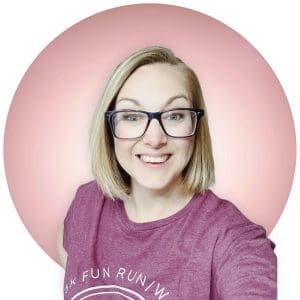
My name is Meredith “Phee” Avery, and I’m a novelist, performer, and creative entrepreneur based in Colorado. Storytelling has been a constant in my life for as long as I can remember, whether through writing, music, acting, or building immersive worlds around my projects. A lot of my work explores the darker, grittier sides of human nature while still focusing on resilience, identity, survival, and the strange beauty people can find in chaos.
I’ve currently completed and published my debut psychological thriller, The Unknown, with several additional novels actively in development, including Agent X, The Unknown: Tiffany, Ranier, Ava, and Eclan. Altogether, I’ve written one completed published novel and have multiple full-length projects in various stages ranging from outlining to advanced manuscript development.
My writing style tends to blend cinematic pacing, strong character voice, psychological tension, dark humor, and cultural influence drawn from my background in international cultural studies, entertainment, and investigative work. Beyond novels, I also create interconnected creative projects involving music, visual concepts, and storytelling universes that expand beyond the page.
At the core of everything I write is the goal of making readers feel something real — whether that’s discomfort, adrenaline, heartbreak, laughter, or hope.
What is the name of your latest book and what inspired it?
The Unknown. I’m inspired by flawed people, complicated motivations, hidden darkness beneath ordinary life, and the strange emotional truths people try to avoid talking about. I think that’s why my writing often blends psychological tension, dark humor, emotional realism, and adventure together.
Do you have any unusual writing habits?
Honestly, one of the most unusual parts of my writing process is that many of my stories originate from dreams. Not just vague concepts either — sometimes I’ll dream entire scenes, characters, emotional arcs, or even the beginning, middle, and end of a story in remarkable detail. I’ve woken up with fully formed worlds and immediately started writing before the feeling disappears.
A lot of my projects begin that way. The dream acts almost like a blueprint, and then I build around it consciously afterward by expanding the characters, themes, dialogue, and structure. Because of that, my stories often carry a surreal, cinematic, and emotionally intense atmosphere that readers tend to remember.
I think it’s part of why my work feels so visual and immersive. Many of the ideas weren’t originally “constructed” in the traditional sense — they were experienced first and translated later.
What authors, or books have influenced you?
I’ve been influenced by a wide range of writers, but some of the biggest standouts for me are Robert A. Heinlein and Stephen King. Heinlein’s ability to weave philosophy, psychology, and social commentary into high-concept storytelling really shaped the way I think about worldbuilding and human behavior, while Stephen King’s character work and understanding of fear, trauma, and tension had a major impact on how I approach emotional realism in darker stories.
I’ve also drawn inspiration from thriller and suspense writers like Thomas Harris, Gillian Flynn, Michael Crichton, Dennis Lehane, and Bret Easton Ellis for their ability to create tension, morally gray characters, and psychological complexity.
On the adventure and survival side, authors like James Dickey and Michael Punke have definitely influenced the raw, visceral atmosphere I sometimes aim for in my work.
Beyond books, I’m heavily inspired by film, music, investigative psychology, and real-world human behavior. I tend to gravitate toward stories that feel dangerous, emotionally honest, cinematic, and a little uncomfortable in the best possible way.
What are you working on now?
Right now, I’m working on a few different novels simultaneously while also seeking literary agent representation for my latest completed project, Serena Vale: Agent X. It’s a gritty, high-energy thriller that blends espionage, dark humor, psychological tension, and international adventure through the lens of a highly unconventional female operative.
Alongside that, I’m continuing development on a dark comedy novel called Ranier, which follows an unlikely duo whose lives spiral further and further into chaos as they try to navigate increasingly disastrous situations.
I’m also working on Tiffany. That story shifts into the world of Las Vegas and explores themes of survival, identity, exploitation, temptation, and reinvention through the eyes of a new protagonist entering an intense and dangerous environment.
I tend to work on multiple projects at once because different stories demand different emotional energy and creative focus. It keeps the process exciting and helps me stay creatively engaged across different worlds and tones.
What is your best method or website when it comes to promoting your books?
In my experience, the best form of promotion is still genuine person-to-person interaction. Social media is incredibly useful, but nothing replaces being on the ground, meeting readers face to face, having conversations, and building real connections with people. I’m very much looking forward to doing live readings, bookstore signings, conventions, and speaking events as my work continues to grow.
Online, I primarily use Instagram to promote my projects, connect with readers, and share updates about my writing and creative work. I’ve found it especially helpful because it allows for direct interaction and gives people a sense of the personality behind the stories.
I also maintain my website, meredithpheeavery.wordpress.com, where I post updates about current projects, releases, appearances, and other creative ventures. As my catalog grows, I plan to continue expanding it into a larger hub for readers and followers.
Do you have any advice for new authors?
I think one of the most important things for new authors is continuing your education as a writer. Workshops, conferences, writing classes, critique groups, and consultants can be absolutely invaluable — not just for the information they provide, but for the growth they can unlock creatively and professionally. Some of the biggest improvements I’ve made came from learning from people further along in the industry and staying open to sharpening my craft.
My other biggest piece of advice is to actually finish things. A lot of people have incredible ideas, but ideas alone don’t build books — discipline does. Even if the draft is messy, awkward, or imperfect, finish it. You can revise a bad draft. You can’t revise a blank page.
I’d also say not to wait for permission to consider yourself a writer. You become a writer by writing consistently, observing the world closely, and continuing to improve over time. Read widely, pay attention to people, listen to conversations, study emotion, and live enough life to have something real to say.
Another huge lesson is not to become overly attached to instant success or validation. Publishing, querying, and building an audience can take time, and rejection is part of the process for almost everyone. Persistence matters far more than most people realize.
And finally, protect your authentic voice. Trends change constantly, but readers connect with honesty. The stories people remember are usually the ones that feel fearless, specific, and emotionally real.
What is the best advice you have ever heard?
Some of the best advice I’ve ever received came during my development as a novelist, and it fundamentally changed the way I approach storytelling. The core idea was that the opening of a novel has to do multiple jobs at once: hook the reader immediately, establish voice and tone, pose a compelling question, introduce tension, and make the reader emotionally invest in the protagonist as quickly as possible.
I learned how important those first ten pages really are. They need to establish who the protagonist is, where we are, what’s happening, and what emotional or personal stakes are at risk — all without intentionally confusing the reader. One piece of advice that especially stuck with me was that readers won’t care about high-stakes action unless they first care about the person experiencing it.
I was also taught to constantly ask deeper questions while writing: What is the protagonist truly afraid of losing? What universal human truth exists underneath the plot? What flaw makes this character relatable? What changes by the end of the chapter or scene? Those questions helped me understand that storytelling is less about events happening and more about emotional transformation.
Another major lesson was the importance of clarity and immersion — avoiding “white room syndrome,” grounding scenes in place and atmosphere, focusing more on meaningful human detail than excessive object description, and making sure every character and scene meaningfully contributes to the story.
More than anything, the advice taught me to treat writing as both an art and a craft. Inspiration matters, but structure, pacing, tension, and emotional payoff matter too. That balance completely changed the way I write.
What are you reading now?
Right now, I’ve been reading a mix of thrillers, espionage fiction, and darker character-driven stories. Some of the books currently in rotation for me are Killers of a Certain Age by Deanna Raybourn, Savages by Don Winslow, The Huntress by Kate Quinn, The Expats by Chris Pavone, and Red Widow by Alma Katsu.
I tend to gravitate toward stories with strong voice, moral complexity, espionage elements, psychological tension, and characters operating in dangerous or emotionally complicated worlds. A lot of those influences naturally find their way into my own writing as well.
What’s next for you as a writer?
What’s next for me is continuing to build toward a true long-term career as a novelist and storyteller. I’m actively seeking the right literary agent, publishing relationships, and creative collaborators who genuinely understand the kinds of stories I want to tell and the larger vision I’m building around them. I don’t really see this as something I’ll “try for a while” — I plan to keep pushing forward until I find the right people to grow with professionally.
At the same time, I’m continuing to expand my body of work across multiple novels and interconnected creative projects. I’m very interested in building worlds and stories that can live beyond the page through film, music, visual media, and live events.
Beyond my own career, I also want to find ways to help other people succeed in their creative goals. I think a lot of artists, writers, and entrepreneurs have incredible potential but often lack support, guidance, or belief in themselves early on. If I can build something meaningful while also helping open doors for other driven people along the way, that would be incredibly fulfilling to me.
If you were going to be stranded on a desert island and allowed to take 3 or 4 books with you what books would you bring?
If I were stranded on a desert island, Stranger in a Strange Land by Robert A. Heinlein would absolutely be one of the books I’d bring — honestly, it might be the only one I’d need for a while. It’s one of those rare novels that feels philosophical, strange, psychological, and deeply human all at once, and every time I revisit it I seem to pull something different from it.
I’d probably also bring Shutter Island by Dennis Lehane because I love stories that play with psychology, perception, tension, and emotional unraveling. That kind of atmosphere really sticks with me.
Beyond those, I’d likely want at least one massive immersive book that I could disappear into repeatedly — something layered enough to reread over and over without getting bored. I think the best desert island books are the ones that continue evolving every time you open them.
Author Websites and Profiles
Meredith Phee Avery Amazon Profile
Meredith Phee Avery’s Social Media Links
Author Interview Series
To discover a new author, check out our Featured Authors page. We have some of the best authors around. They are just waiting for you to discover them. If you enjoyed this writer’s interview feel free to share it using the buttons below. Sharing is caring!
If you are an author and want to be interviewed just fill out out Author Interview page. After submitting we will send it out in our newsletters and social media channels that are filled with readers looking to discover new books to read.
If you are looking for a new book to read check out our Featured Books Page.